A versatile casting method for medium-to-large ferrous and non-ferrous components, suitable for prototype, small batch and serial production.
Sand casting uses sand-based molds to form liquid metal into the desired component shape. It is the most broadly applicable casting process across part size, material and production volume, and supports post-cast CNC machining and surface finishing.
Sand casting is the workhorse process for pump, valve, construction and mining castings. Figures below are typical capability for this process and are confirmed against your drawing at drawing review.
Grades are confirmed at drawing review; composition and mechanical properties are verified by spectrometric analysis and mechanical testing before shipment.
Bases, brackets, wear parts and structural components in ferrous and copper alloys.
Typical sand casting capability. Each figure is confirmed for your part at drawing review, and the agreed values are written into the quotation.
| Parameter | Capability | Status |
|---|---|---|
| Casting weight range | 5 – 3,000 kg | Typical; part-dependent |
| Maximum casting dimensions | Up to approx. 1,500 × 1,200 × 1,000 mm | Box-size dependent |
| Minimum wall thickness | 4 – 5 mm | Alloy and section dependent |
| Dimensional tolerance capability | ISO 8062 CT9–CT11 (approx. ±0.5 mm on 100 mm) | Critical features agreed per drawing |
| Production volume range | Prototype to 10,000 pcs/year | Per part number |
| Material range | Iron, steel, stainless, copper alloys | Grades to confirm |
| Surface treatment capability | Shot blasting, priming, painting, powder coating, galvanizing (partner) | Specified per drawing |
Incoming material and ladle chemistry check.
Tensile, hardness and impact as required.
CMM and gauge check of critical dimensions.
Visual, MPI, penetrant or UT where specified.
Production examples from the sand casting line. Each entry lists product, process, material, machining requirement and application.
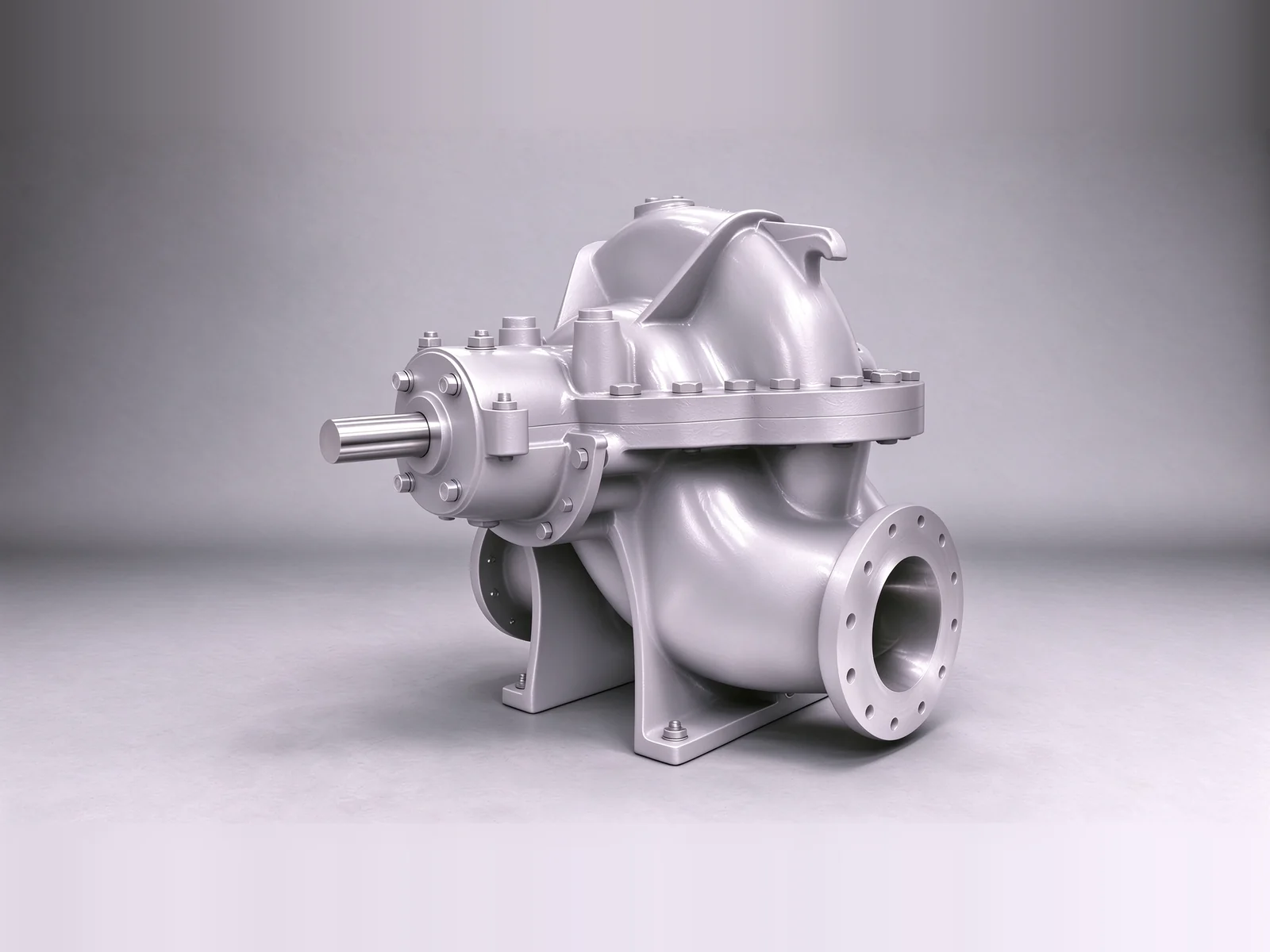
Mating-face and bore machining; pump & valve application.
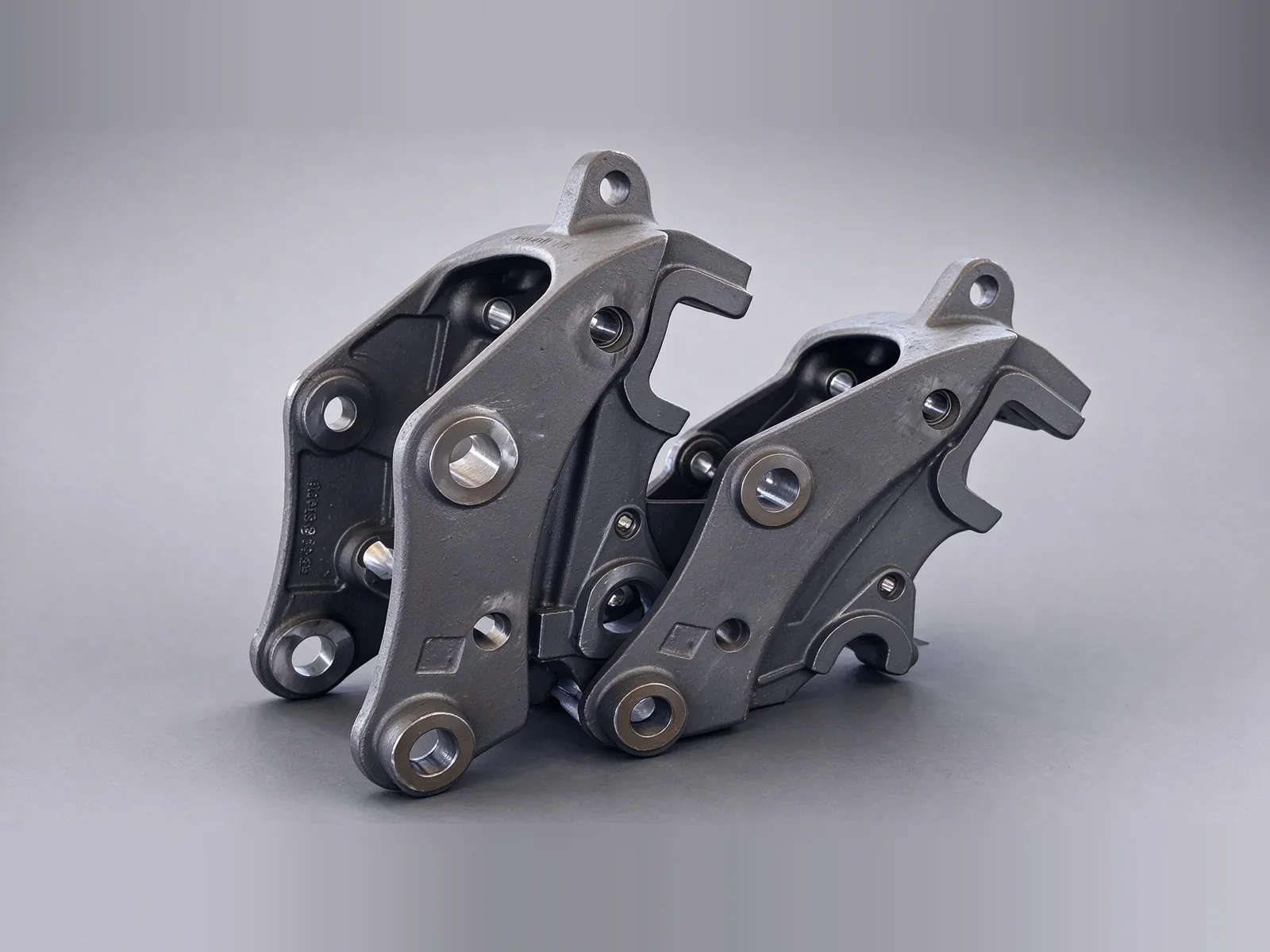
Wear-resistant structural bracket with machining.
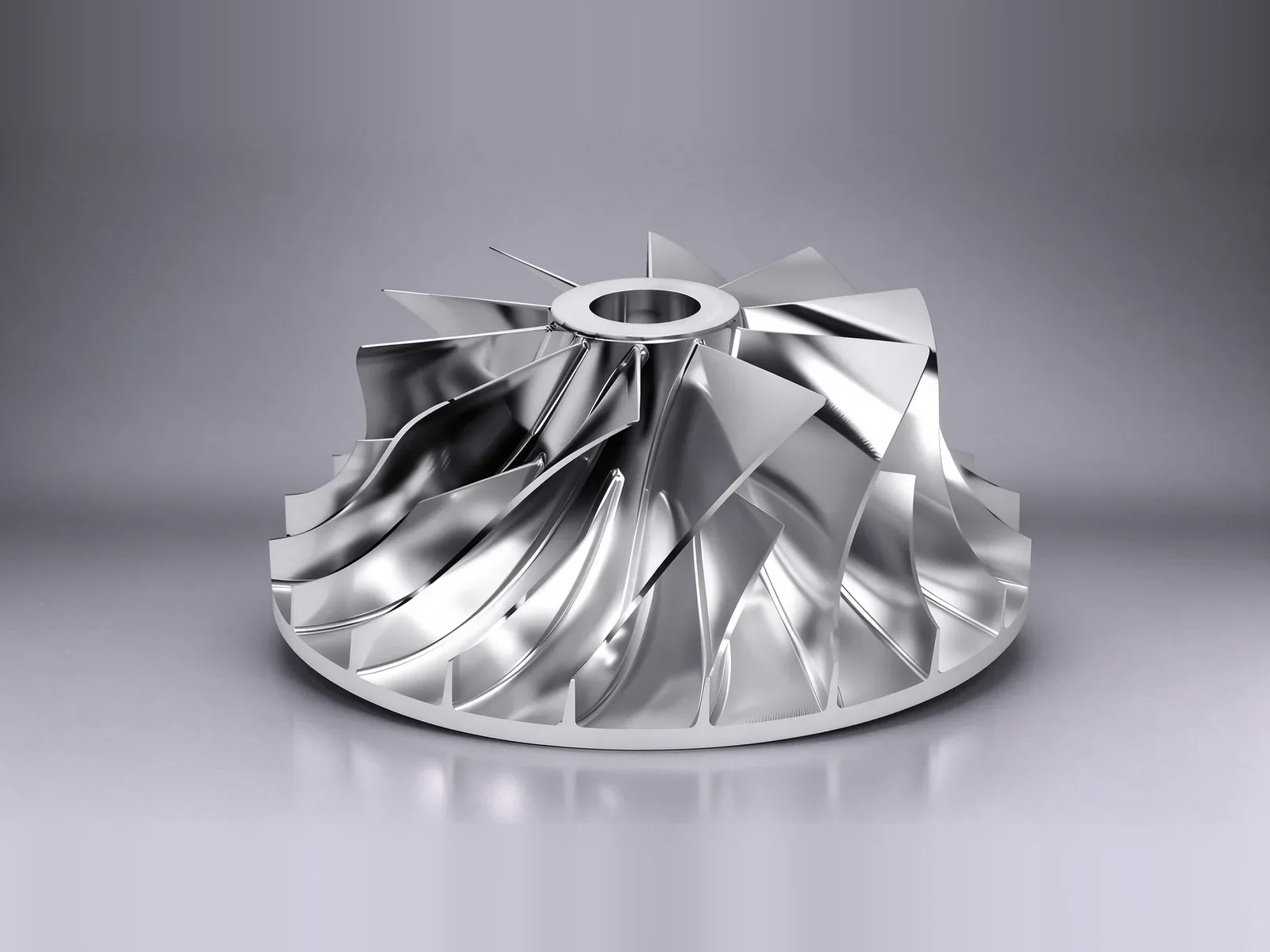
Abrasion-resistant part for material handling.
Send your drawing and requirements; our team will evaluate process, material and quotation.