Valve bodies are pressure-boundary parts with seat geometry that decides whether the valve seals. We cast them in the process that suits the pressure class, then machine the seats and flanges to your drawing.
A valve body fails in two places: at the pressure boundary and at the seat. Casting quality controls the first — soundness, wall thickness consistency, no shrinkage porosity in the body wall. Machining and assembly control the second — seat face geometry, flange parallelism and stem alignment. We treat both as one production route rather than two separate purchases.
Small and medium bodies with fine detail are normally investment cast; larger bodies and high-volume patterns go through sand casting with machined cores. Bronze and gunmetal bodies for water service are cast separately to avoid cross-contamination of the melt.
Representative part types. If your component is a variant of one of these, it is quoted as a variant rather than as a new development.
Body and bonnet pairs with machined seat rings, flange faces and stem bores.
Bodies with integral seat and disc guide geometry for horizontal or vertical installation.
Bodies with ball seat recesses, end connections and actuator mounting faces.
Bonnet castings with gasket faces, packing bores and yoke arms.
Discs, plugs, seat rings and cage trim in wear- and corrosion-resistant grades.
Y-strainer bodies, filter housings and small manifold blocks with cored passages.
Figures are typical for this product family. Each value is confirmed against your drawing at review, and the agreed values are written into the quotation.
| Parameter | Typical capability | Notes |
|---|---|---|
| Casting weight | 1 – 300 kg | typical; confirmed per drawing |
| Maximum envelope | approx. 800 × 600 × 600 mm | process dependent |
| Minimum wall thickness | 3 – 5 mm | investment route at the lower end |
| Dimensional tolerance | ISO 8062 CT8 – CT10 | critical features agreed per drawing |
| Pressure classes supported | PN16 – PN40 body castings (higher on review) | design responsibility remains with customer |
| Material grades | CF8 / CF8M, WCB / WCC, LCB, duplex, bronze / gunmetal | equivalent grades to be confirmed |
| Testing | shell test, seat leak test, penetrant inspection | on request, per order |
Grades are confirmed at drawing review. Chemistry and mechanical properties are verified before shipment, and grade equivalence is stated in writing when a customer standard differs from the Chinese designation.
Inspection scope is agreed at order. What is not specified is not assumed — the quotation lists the checks included.
X-ray of body walls on critical pressure classes where specified.
Dye penetrant on machined seat faces and weld-repaired areas.
Shell and seat leak tests with recorded pressure and hold time.
Face-to-face length, flange parallelism and seat concentricity checks.
Anonymised descriptions of typical projects. Part weights, materials and operations are representative of work we quote and run; customer names, drawings and end-use details are omitted by agreement.
Body and bonnet pair around 18 kg, seat rings machined and lapped, shell tested at 1.6 MPa before assembly.
Body around 85 kg with cored flow passage, flange faces machined to drawing and penetrant tested on the seat area.
Cast on a dedicated non-ferrous line to keep the melt clean, machined seats and threaded end connections.
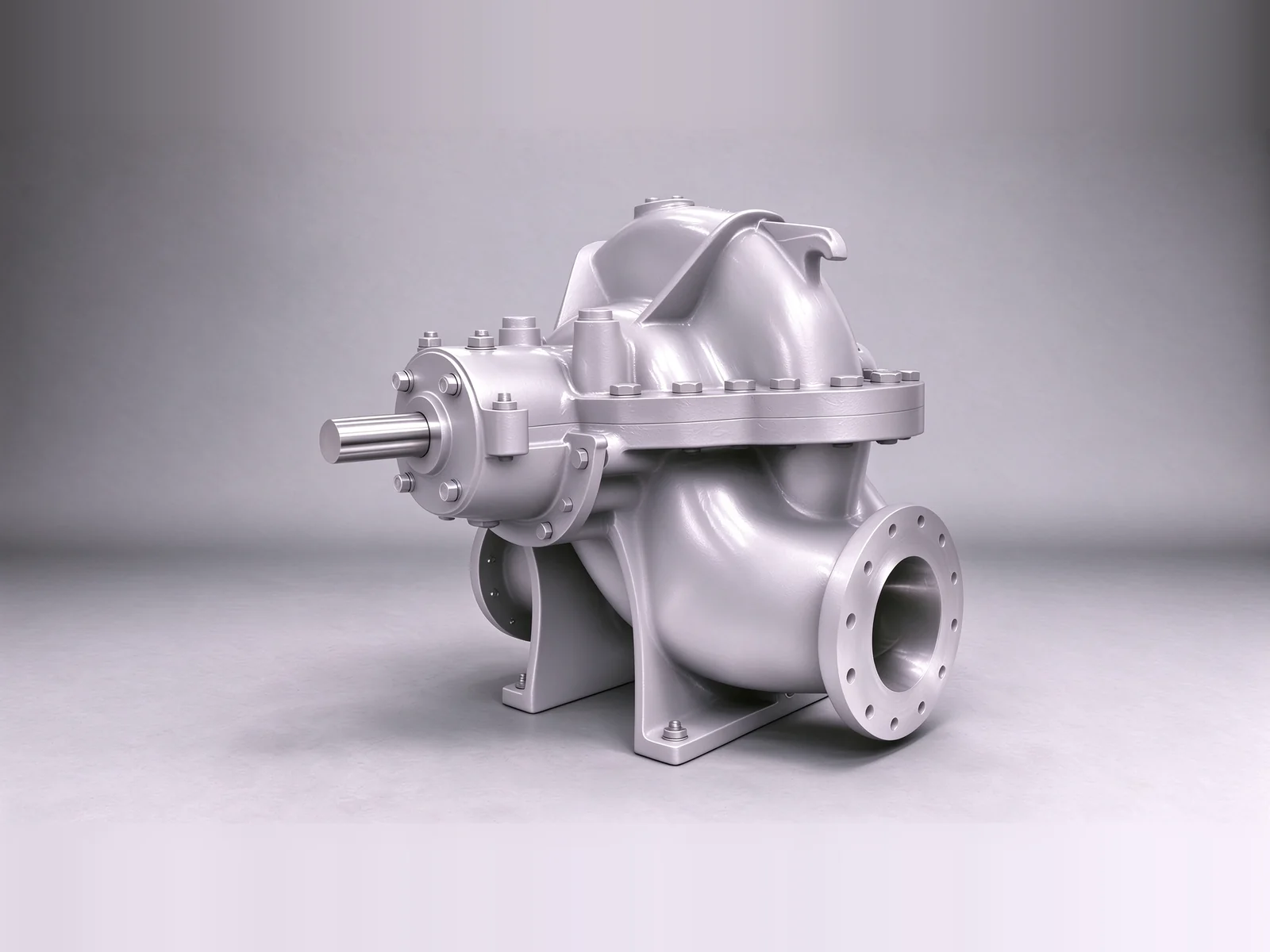
Custom pump casings, covers, bearing housings and wear parts in cast iron, carbon steel, stainless and duplex stainless, with machined sealing faces and hydrostatic testing on request.
View detail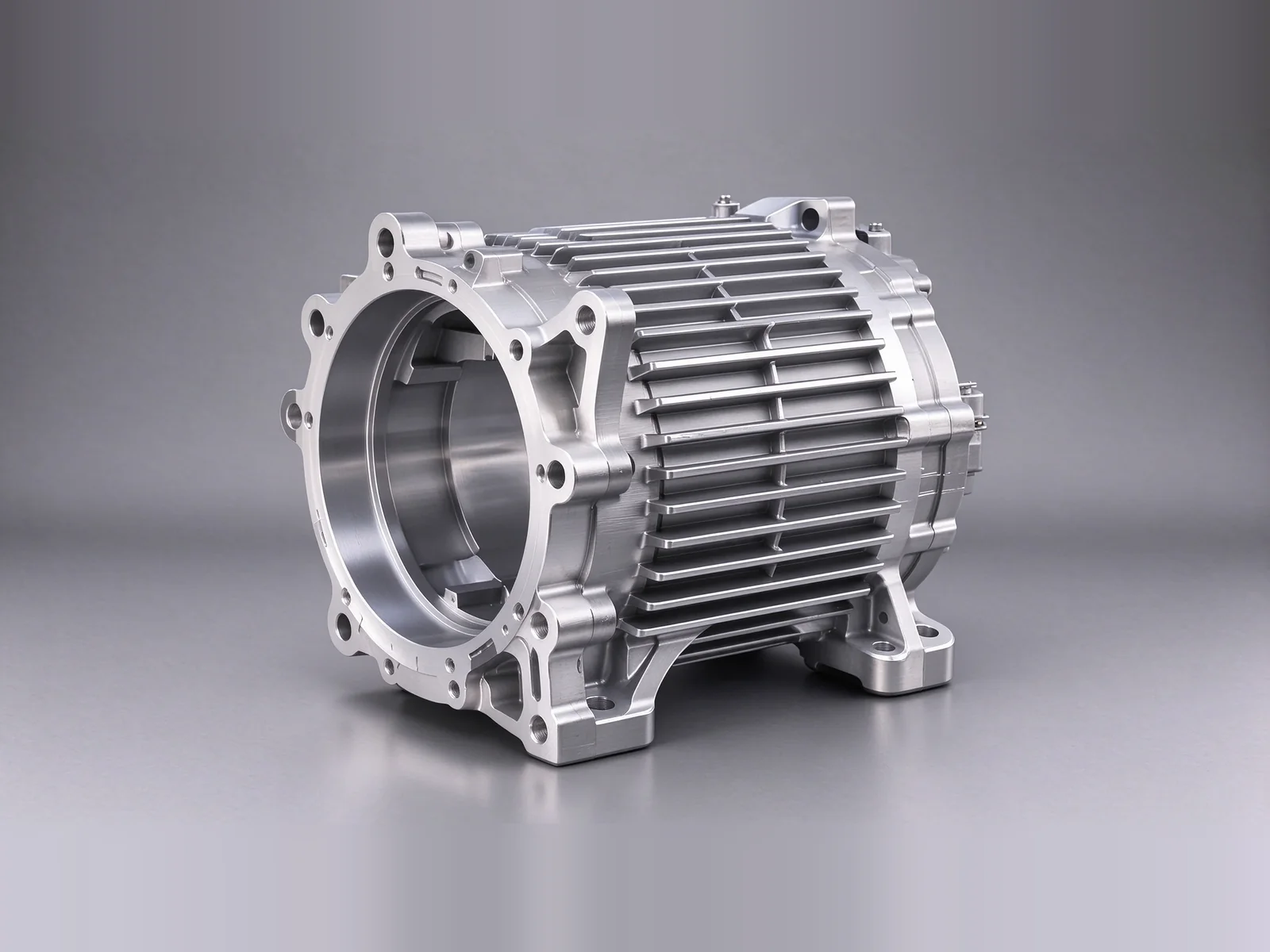
General engineering castings in grey iron, ductile iron, cast steel and aluminium — machine beds, frames, gear blanks, pulleys and custom parts from 1 to 1,500 kg.
View detail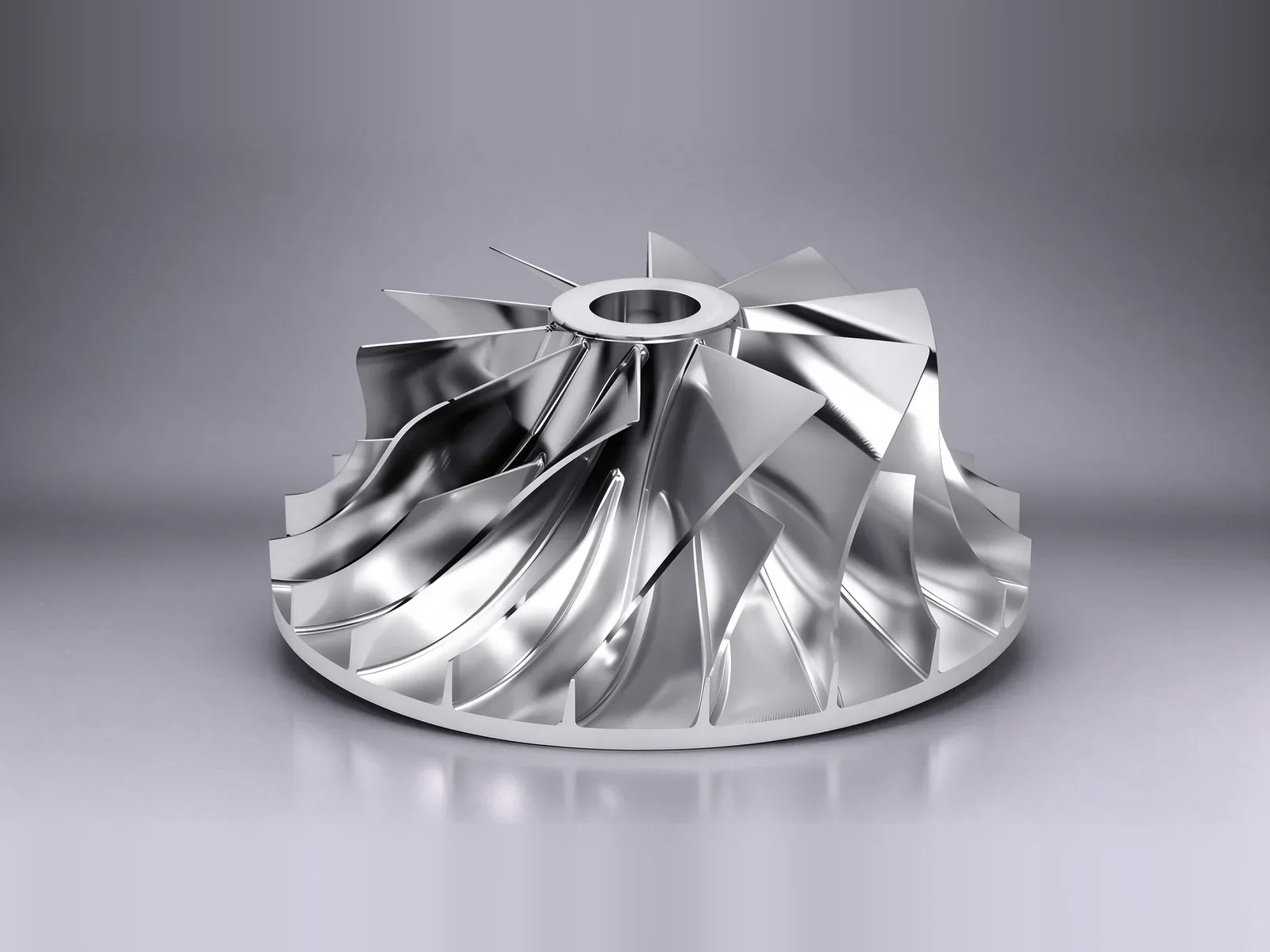
Investment and sand cast impellers, diffusers and wear rings in stainless, duplex and bronze, with flow-passage control, machined hubs and balancing support on request.
View detailSend your drawing, material and quantity; we will confirm process, machining scope and price.